British Petroleum
A new platform for optimizing fuel prices using advanced analytics and enabling pricing-as-a-service. Read More
Problem Statement
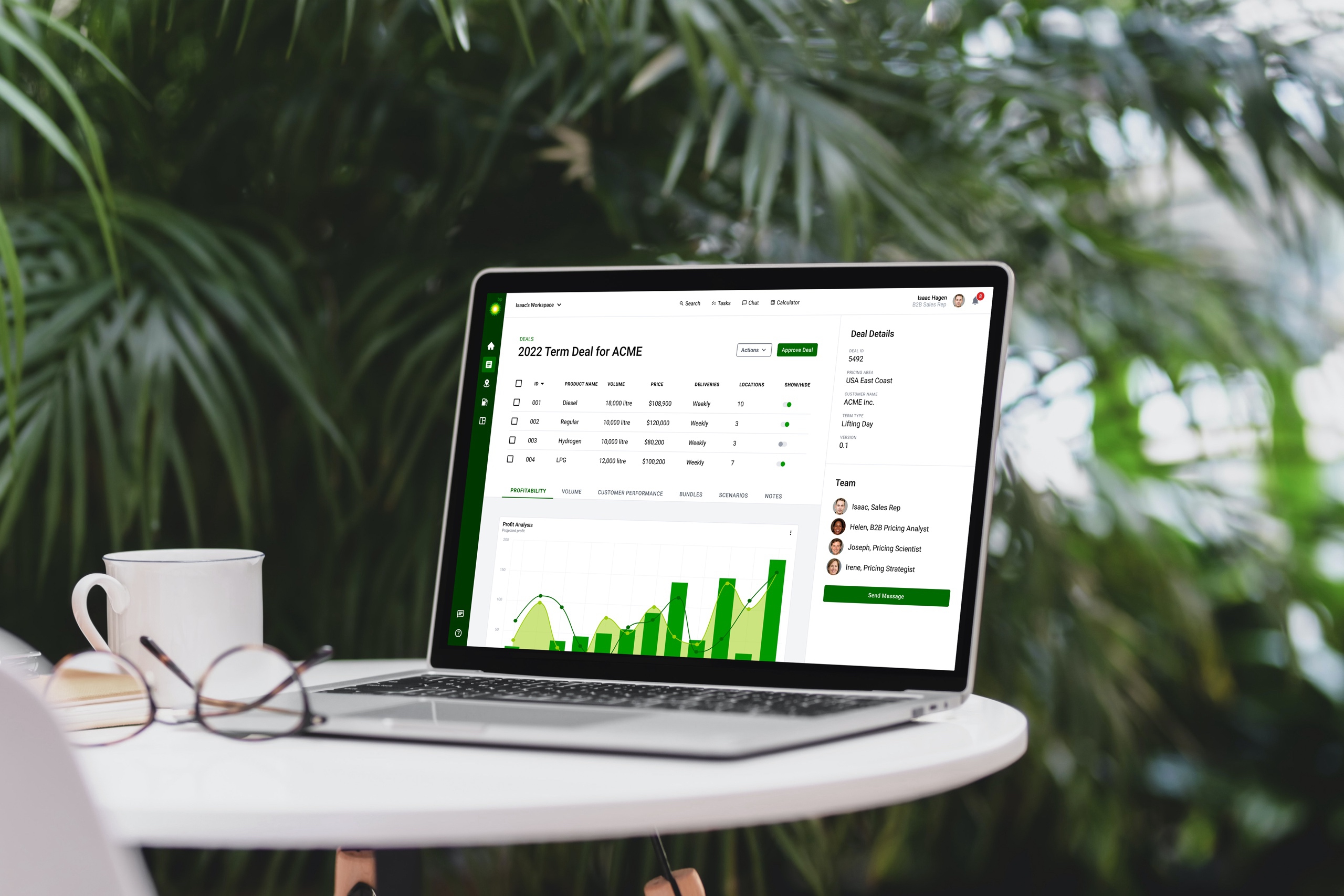
Design a modern pricing application that can be used to price fuels and other energy products and can be expanded to dealers and clients outside BP by enabling pricing-as-a-service.
Backstory
BP had been using third-party software to manage their price setting processes, but it was too outdated for new types of energy products such as renewables. It was also difficult to integrate it efficiently with advanced analytics.
Eventually, it was also determined that price setting processes were of strategic importance and therefore needed to be developed and run in-house.
For this reason, it became urgent for BP to develop a new application that was modern, user friendly and could make use of machine learning algorithms to improve price setting processes across regions and markets.
Challenges & Obstacles
One of the biggest challenges of this project was managing and coordinating the objectives and priorities of multiple stakeholders.
The price setting process is complex, and without prior knowledge of the subject, we had to spend a significant amount of time to understand the concepts and processes.
The pricing analysts and scientists on the team were focused on specific features, while the overall goal of the project was to create a future vision, which led to a lot of back and forth.
Approach
We began our work by reviewing user journey maps and ideation work already completed by our colleagues at BP. This allowed us to identify 12 different types of users who might use the pricing application.
B2B users would set prices for and sell energy products to companies with large energy needs, such as trucking companies and airlines.
B2C users would be responsible for setting and optimizing prices for gas stations and selling fuel and energy products to households and small businesses.
Pricing scientists would be in charge of updating and optimizing the formulas used to price energy products, while model change managers would be responsible for managing and approving these changes.
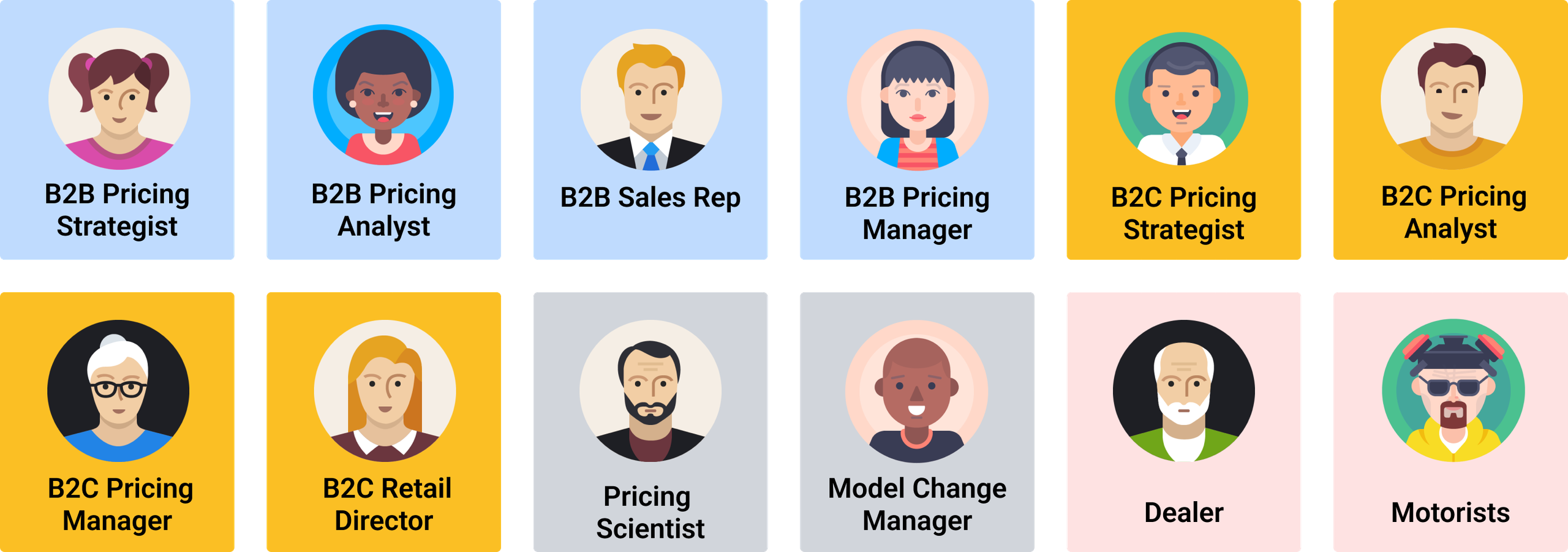
The 12 types of users
After reviewing the business requirements, we determined how automation and machine learning could enhance human intelligence in price setting processes.
Our understanding of the business requirements allowed us to expand the vision for the application as an integrated platform capable of supporting all pricing roles and tasks, and providing pricing-as-a-service to BP businesses, partners, channels, and direct-to-consumer propositions.
Based on our research, our team developed 6 design principles that would serve as guidelines for creating the service. Using these principles, we generated ideas for features that we could design as part of the visioning exercise.
After discussing the feature ideas for the pricing application with the BP stakeholders, we created a set of user stories.
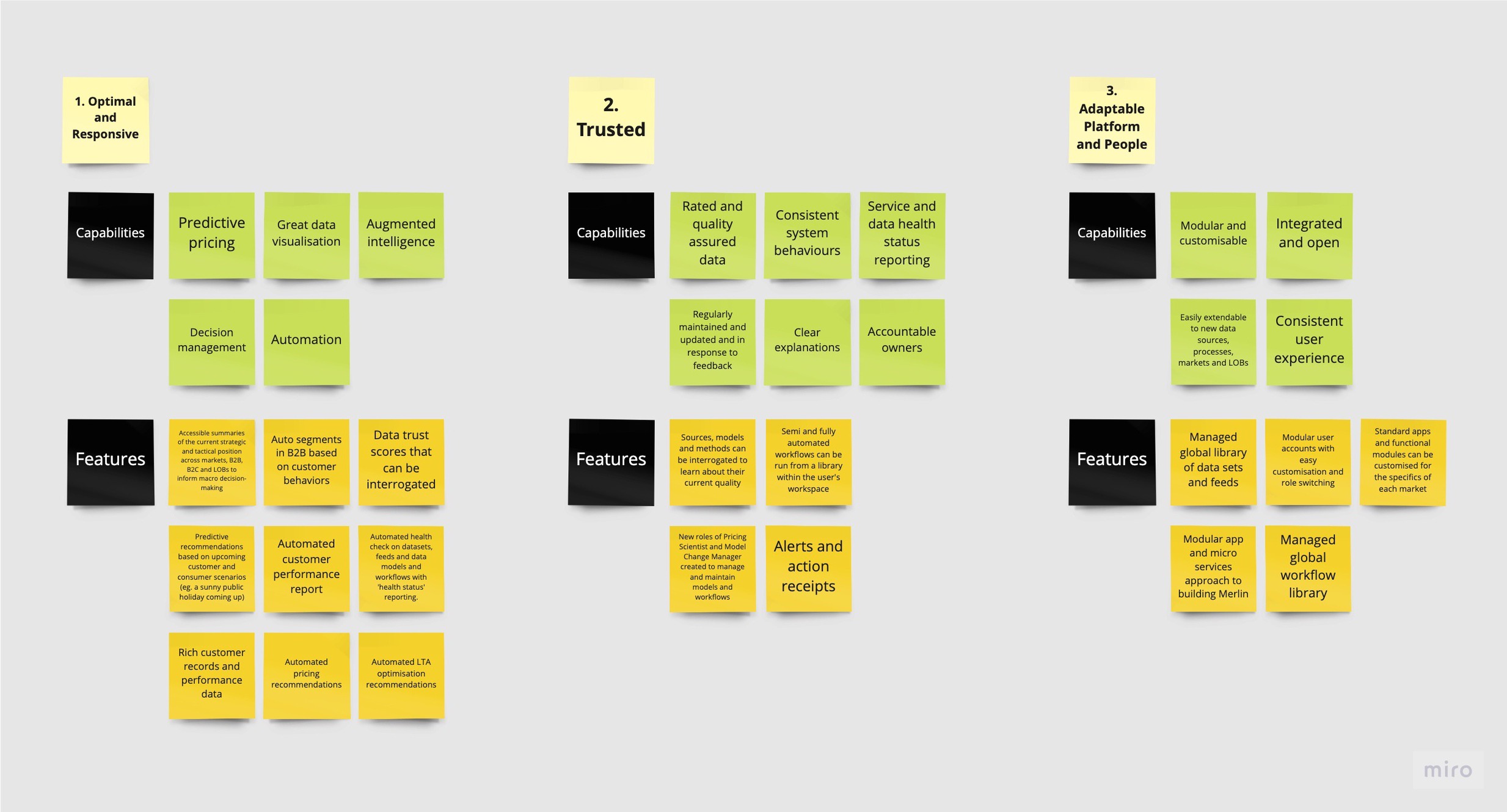
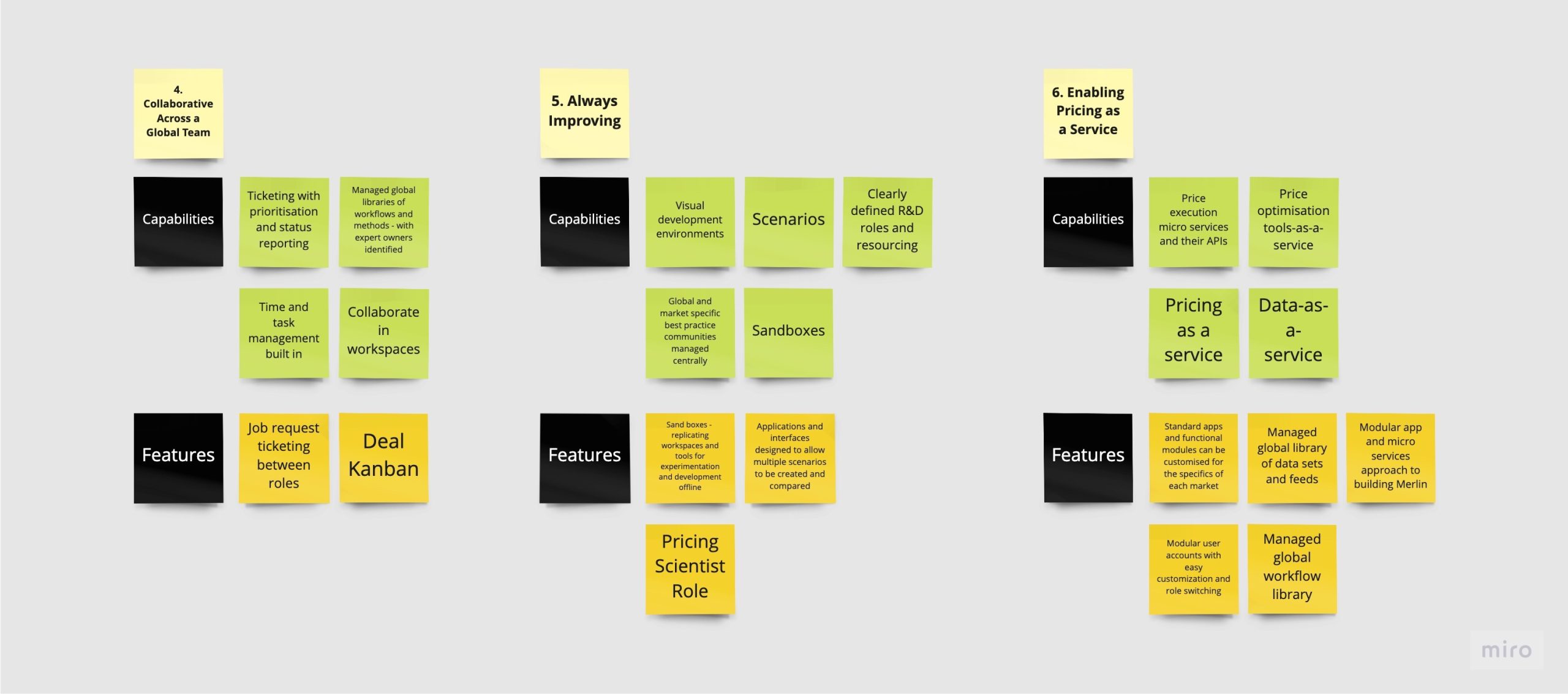
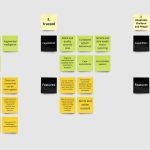
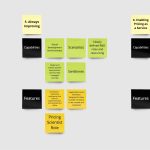
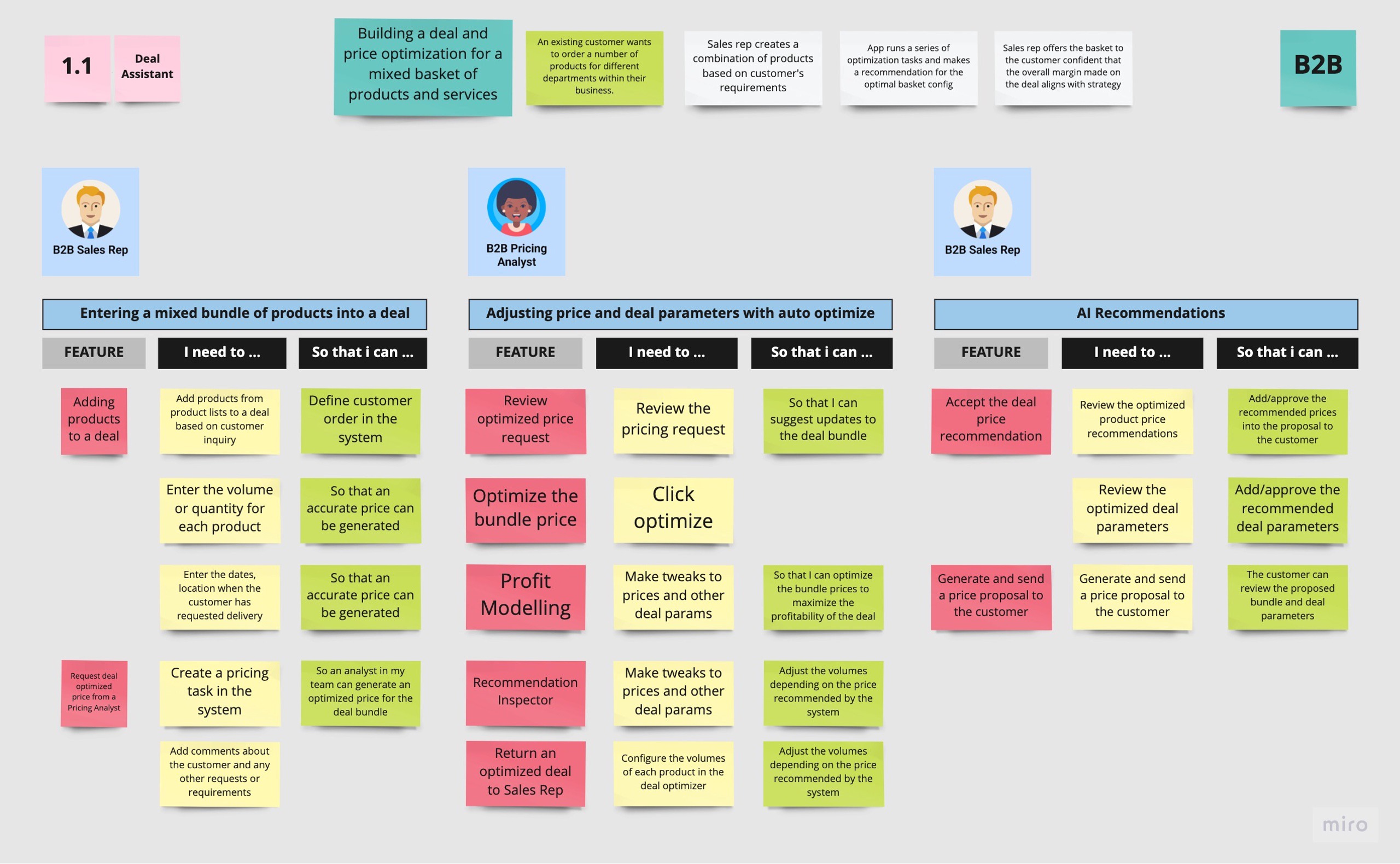
Based on the design principles and features list, we created a number of user stories. The one above is the 'deal assistant' user story.
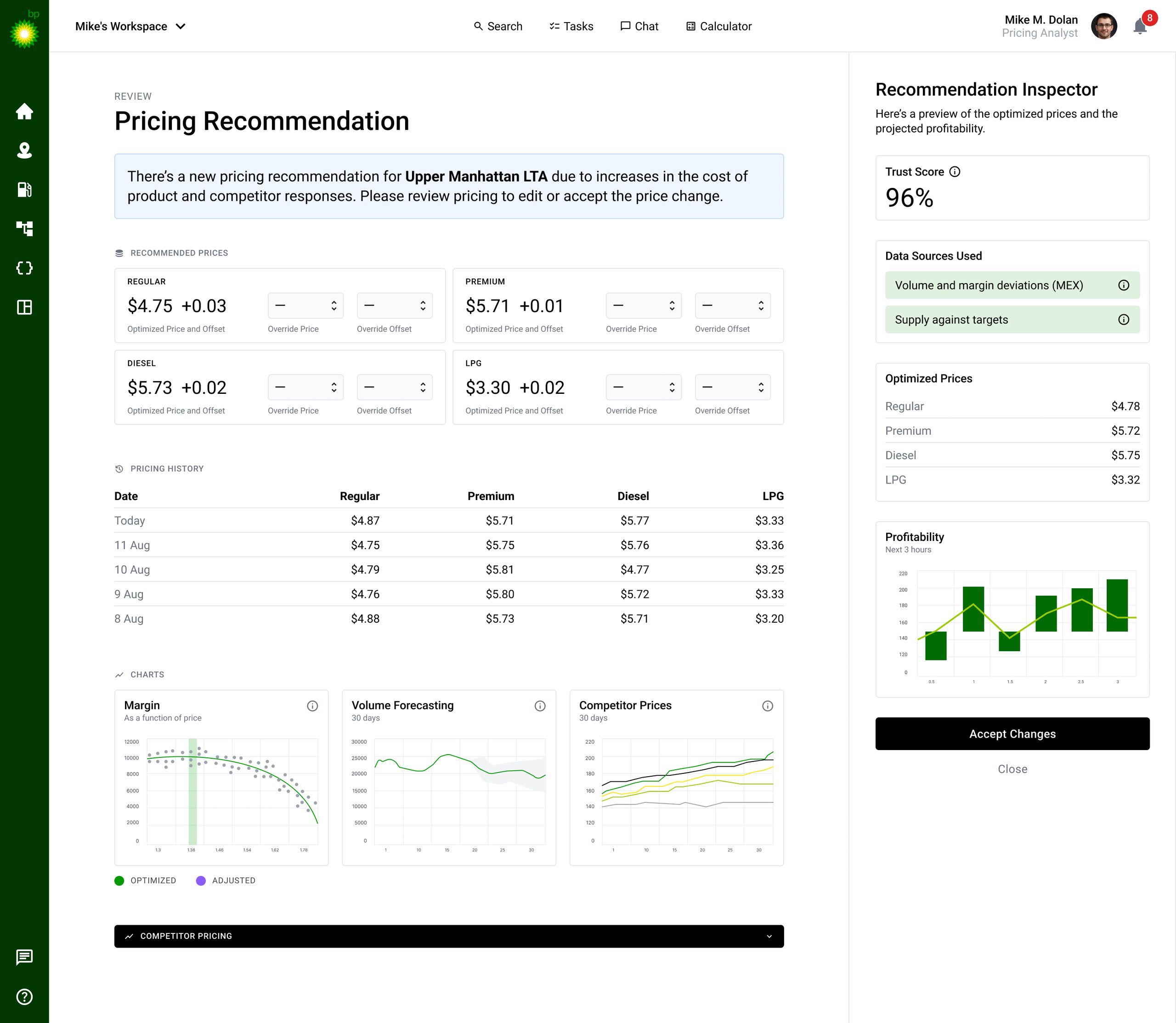
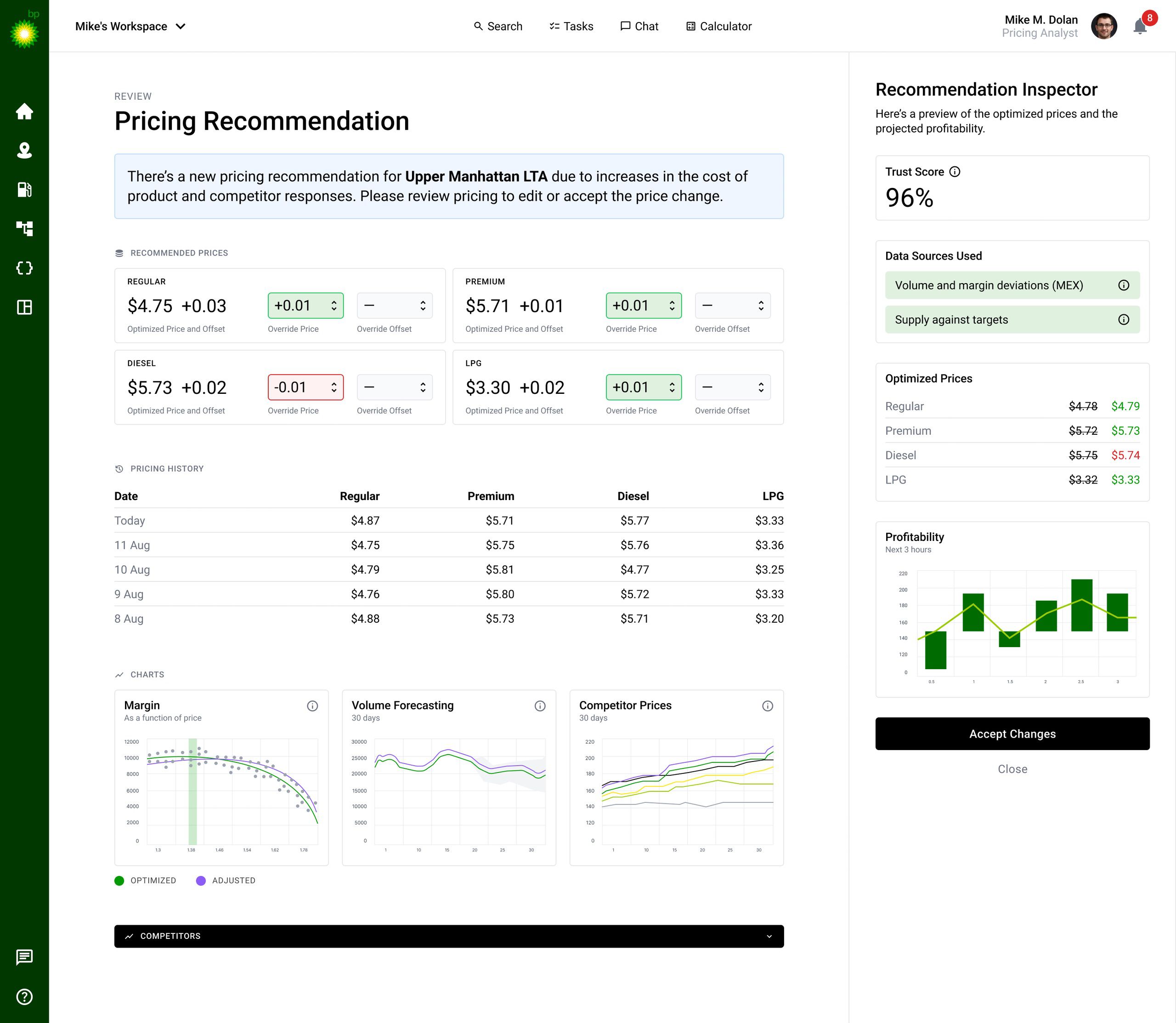
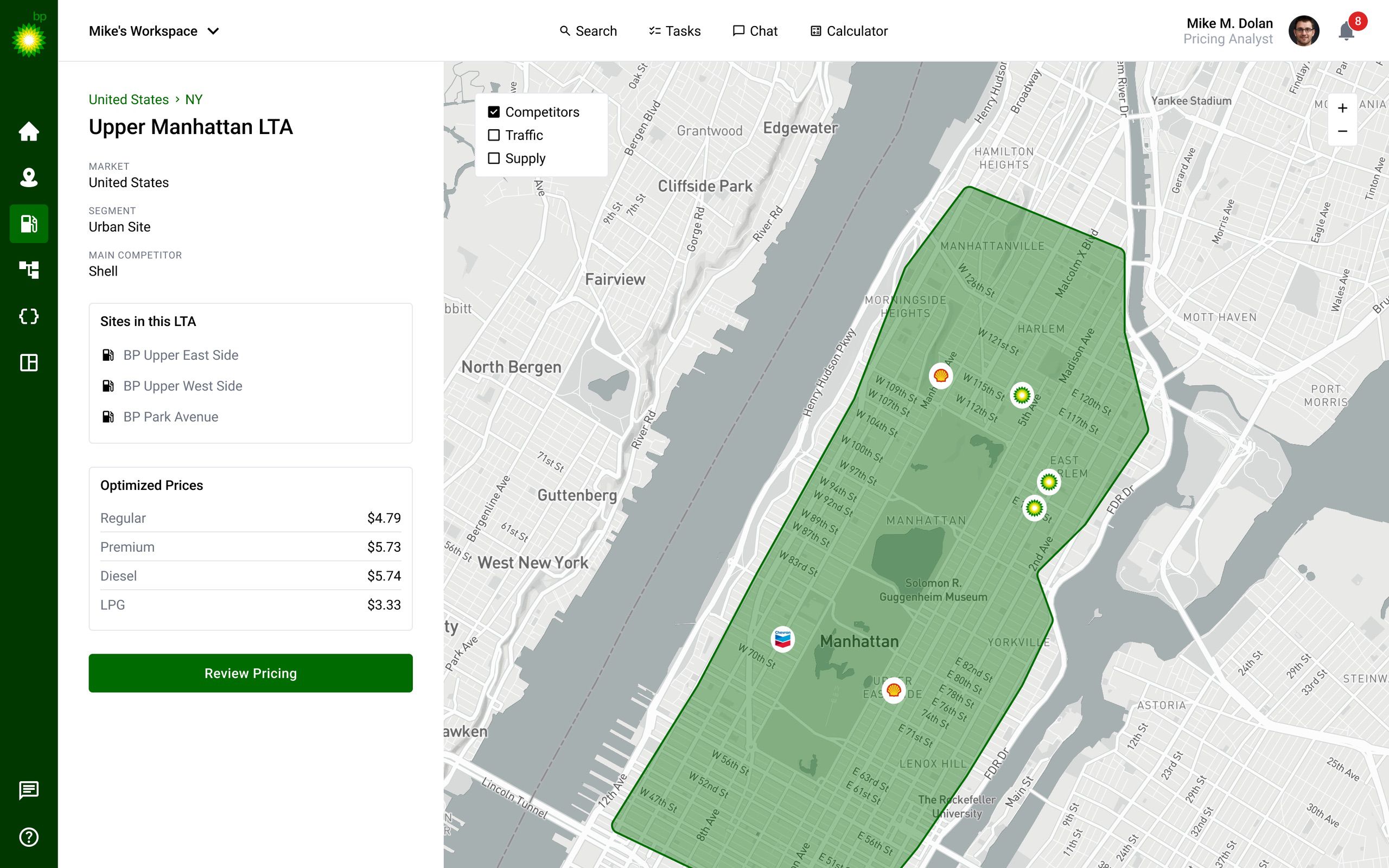
We came up with a large set of user stories, but due to time constraints, we chose 13 user stories to focus on. I then designed screens to visually represent each of the chosen user stories.
To tackle the complex subject, we adopted an iterative design process. We held bi-weekly meetings with BP to share our progress and gather feedback. As I focused on improving the UI for various user stories, the design of the application's shell, including its primary and secondary navigation elements, became more defined as well.
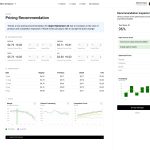
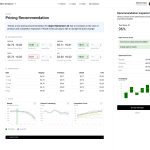
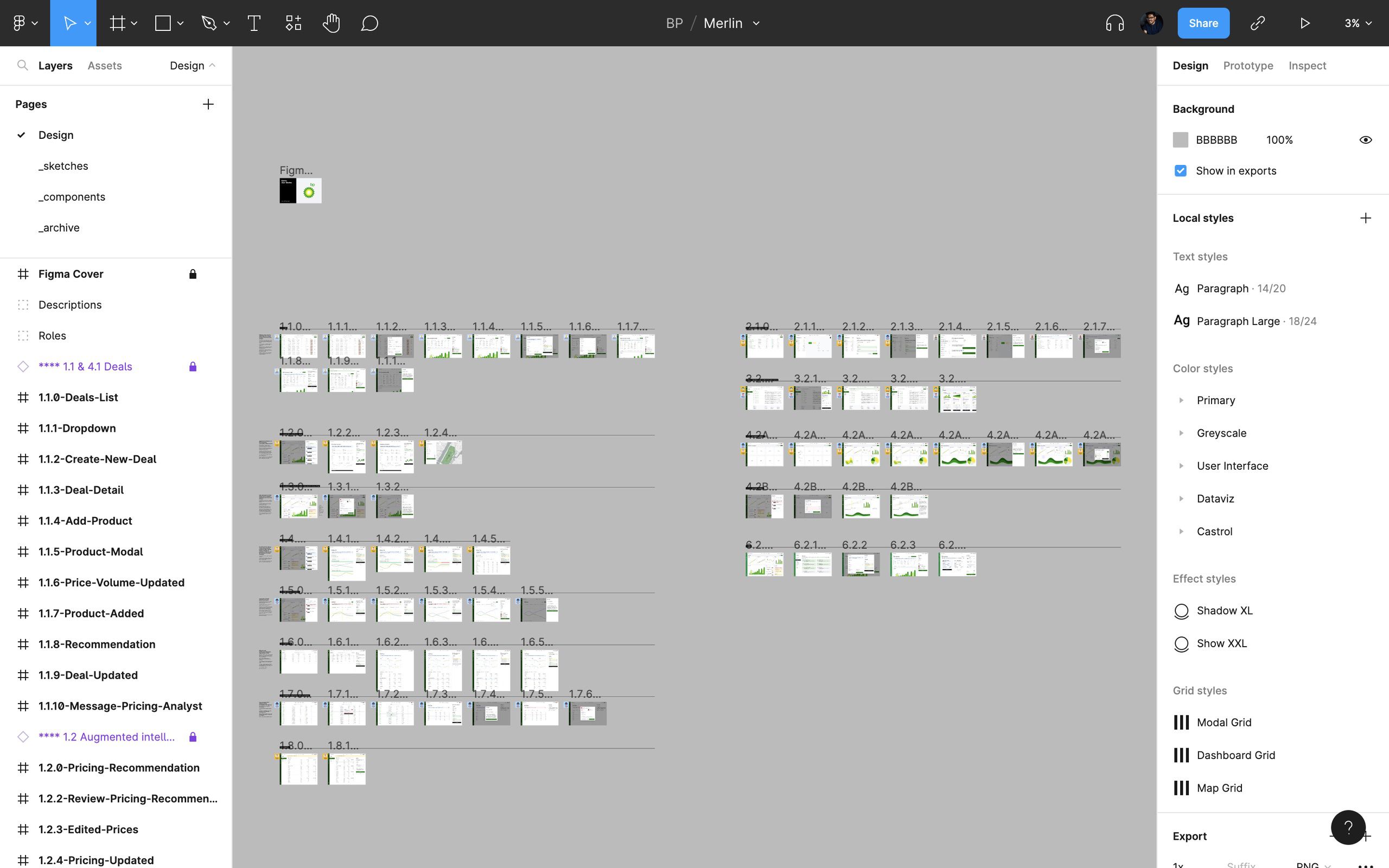
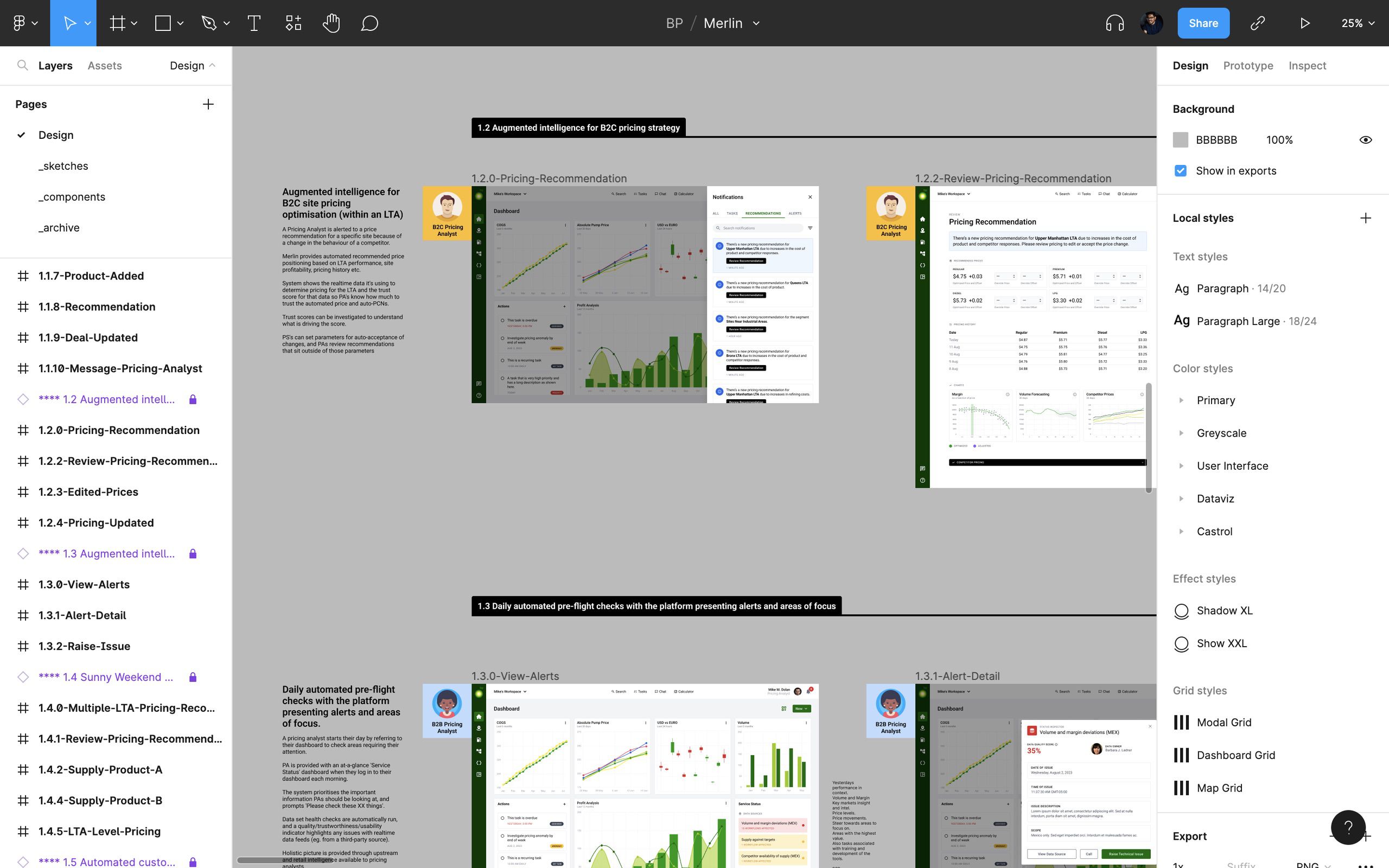
Since most of the stakeholders were technical people (i.e. analysts and scientists), I made sure to include as much detail in the prototypes as possible to effectively convey the concepts. By the end of the project, I had delivered over 70 screens showcasing a wide range of concepts and features.
Once we were happy with the design phase, I wired up the prototypes and our team created a deck to present the user stories to BP.
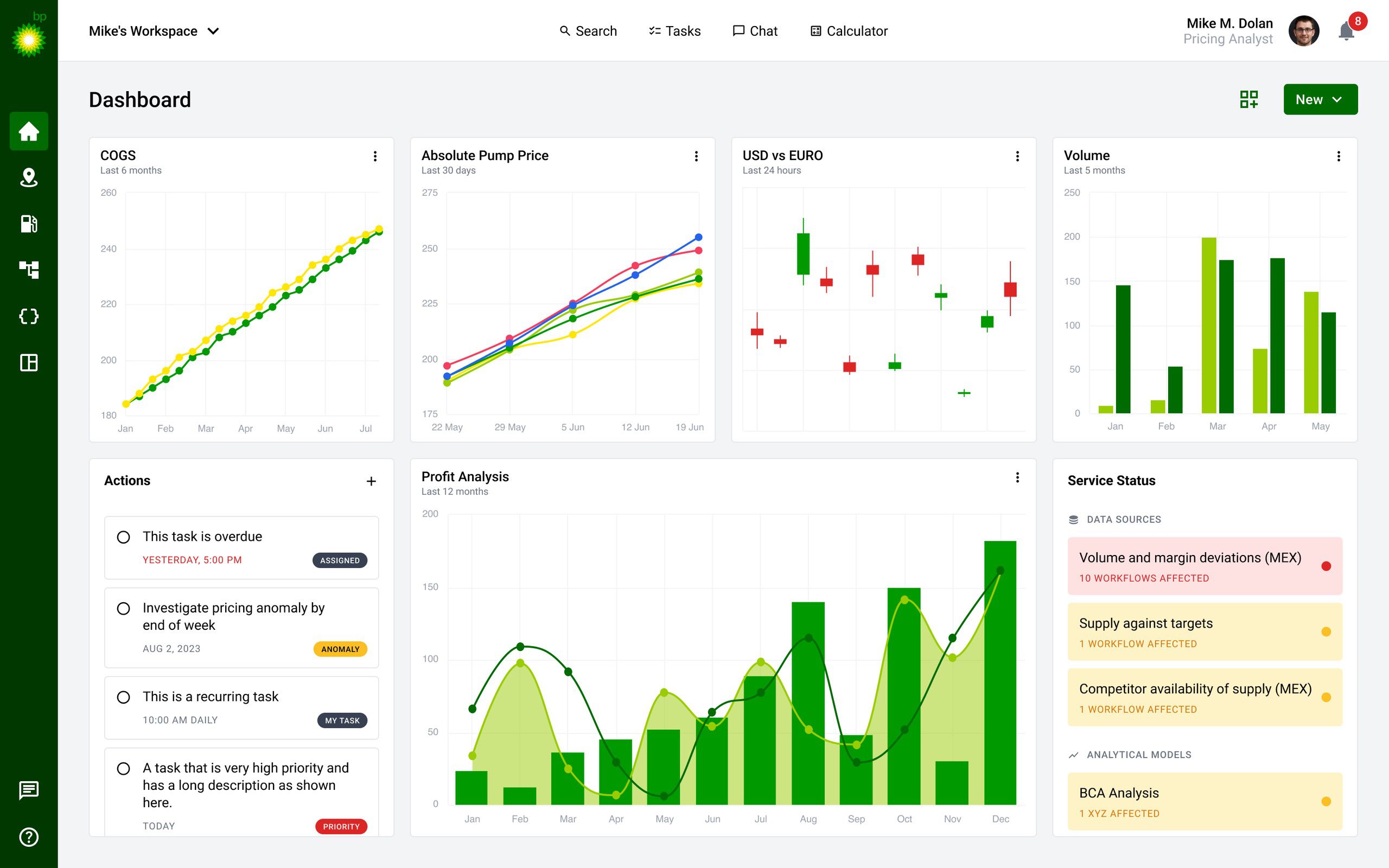
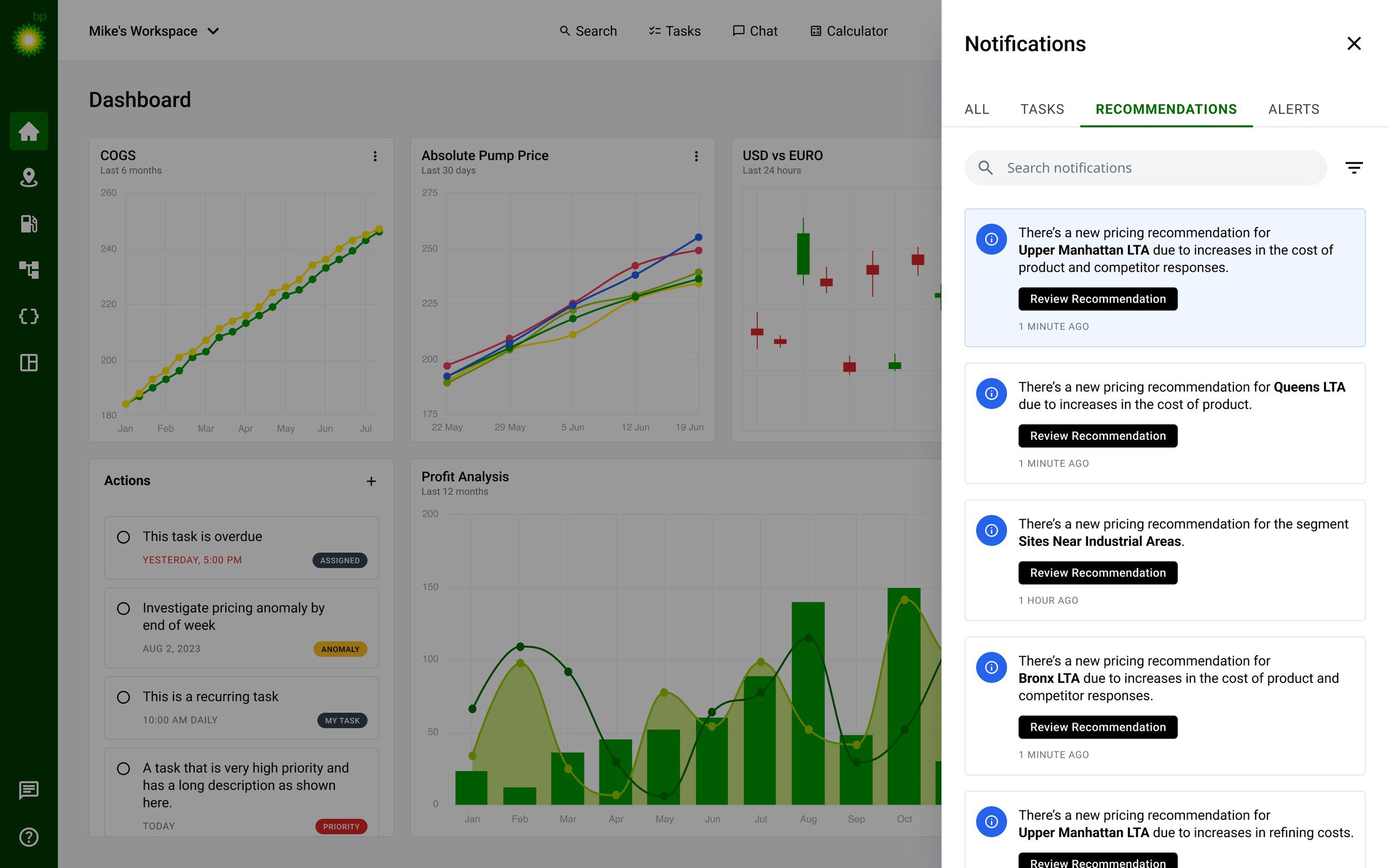
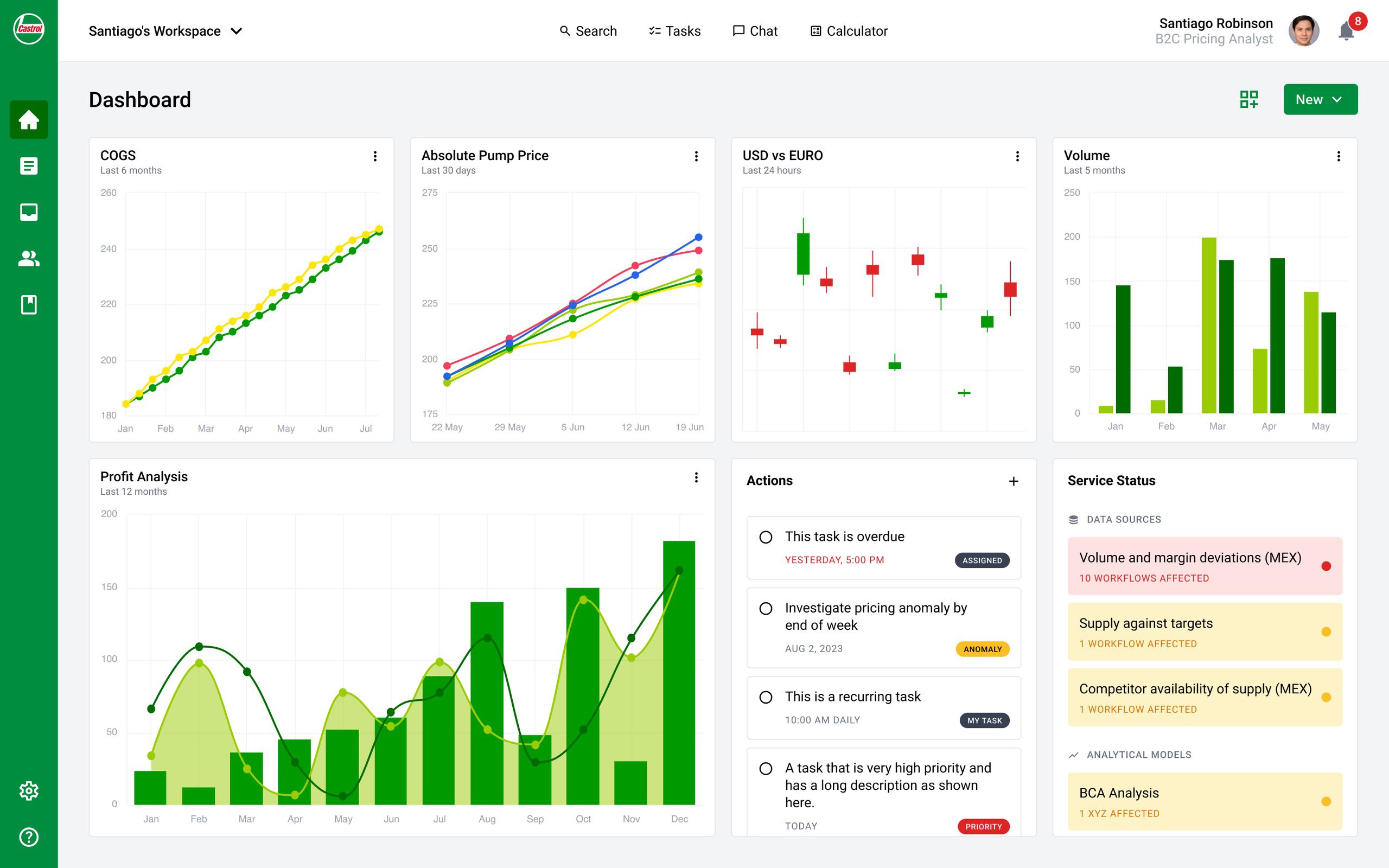
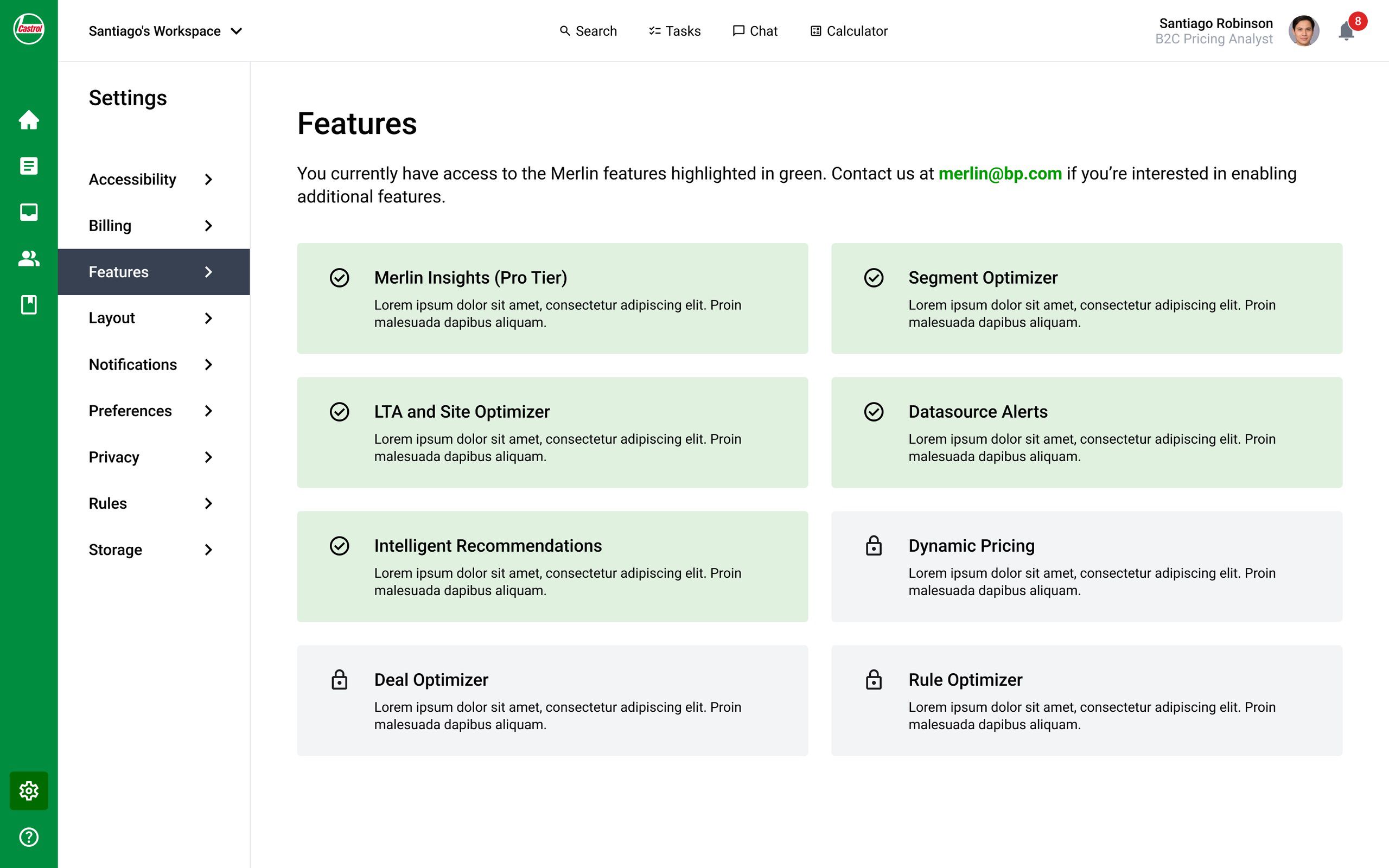
In the screen above, I've shown a collapsed primary sidebar navigation that would have different items based on the current user's role. The top bar provides a way to change workspaces, view notifications and quickly access commonly used features such as a todo list, calculator and search.
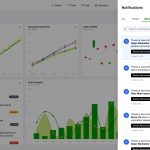
Even though the design of the homepage dashboard widgets and detailed application navigation were not requirements, I included them in my design. The client appreciated this and said it helped them to understand the whole picture.
Result
Our work was well received by BP when we made a final presentation in September.
They are currently in the process of taking their engineering team through the various concepts we developed and are interested in working with us to further test, refine and develop the application.